China successfully launched the first star of Galaxy Space.

Xinhua News Agency, Jiuquan, January 16 (Li Guoli, Zhao Jinlong) At 11: 02 on January 16, China successfully launched the first low-orbit broadband communication satellite in China, the Galaxy Space Launcher, with a communication capacity of 10Gbps at Jiuquan Satellite Launch Center. The satellite successfully entered the scheduled orbit and the mission was a complete success.

Galaxy Aerospace First Star is an internationally advanced low-orbit broadband communication satellite independently developed by Galaxy Aerospace (Beijing) Technology Co., Ltd., which adopts Q/V and Ka communication bands, has transparent forwarding communication capability at 10Gbps rate, and can provide users with broadband communication services through satellite terminals. After the satellite is in orbit, relevant technical and business verification will be carried out in orbit.

Kuaizhou-1A launch vehicle is a small solid launch vehicle developed by Aerospace Science and Technology Rocket Technology Co., Ltd., a subsidiary of China Aerospace Science and Technology Group Co., Ltd. Aerospace Sanjiang Group. It mainly provides launch services for low-orbit small satellites with high orbit accuracy, short preparation period and low launch cost. This is the eighth launch mission of the Kuaizhou-1A carrier rocket.

Authoritative release! The subsidy is coming! !

More news is in the "Donggang Release" video number.

On September 25,

Shandong Provincial Department of Commerce and other 7 departments

Release on printing and distributing Shandong Province in 2024

Notice of the detailed rules for the implementation of automobile replacement and renewal subsidies

↓↓↓

The "Detailed Rules" propose that for the transfer of used passenger cars and the purchase of fuel passenger cars, the subsidy for each car with a car purchase price of less than 80,000 yuan (inclusive) is 3,000 yuan, the subsidy for each car with a price of 80,000 yuan (exclusive) to 200,000 yuan (inclusive) is 8,000 yuan, and the subsidy for each car with a price of more than 200,000 yuan (exclusive) is 12,000 yuan;

For the transfer of old passenger cars and the purchase of new energy passenger cars, the subsidy is 4,000 yuan for each car with a car price of less than 80,000 yuan (inclusive), 10,000 yuan for each car with a price of 80,000 yuan (inclusive) to 200,000 yuan (inclusive), and 15,000 yuan for each car with a price of more than 200,000 yuan (inclusive).

Notice of Shandong Provincial Department of Commerce and other 7 departments on printing and distributing the Detailed Rules for the Implementation of Automobile Replacement and Renewal Subsidies in Shandong Province in 2024

Municipal departments in charge of commerce, finance, development and reform, industry and information technology, public security, ecological environment and taxation:

According to the requirements of the Notice of the State Council on Printing and Distributing the Action Plan for Promoting Large-scale Equipment Renewal and Consumer Goods Trade-in (Guo Fa [2024] No.7) and the Notice of the Ministry of Finance of the National Development and Reform Commission on Printing and Distributing Several Measures for Supporting Large-scale Equipment Renewal and Consumer Goods Trade-in (Fa Gai Huan Zi [2024] No.1104), the subsidy policy for automobile replacement renewal will be implemented.

Shandong Provincial Department of Commerce

Shandong Provincial Department of Finance

Shandong Provincial Development and Reform Commission

Shandong Provincial Department of Industry and Information Technology

department of public security of shandong province

Shandong Provincial Department of Ecological Environment

State Taxation Administration of The People’s Republic of China Shandong Provincial Taxation Bureau

September 25, 2024

(This piece is publicly released)

Detailed Rules for the Implementation of Automobile Replacement and Renewal Subsidies in Shandong Province in 2024

In order to thoroughly implement the spirit of the Notice of the State Council on Printing and Distributing the Action Plan for Promoting Large-scale Equipment Renewal and Consumer Goods Trade-in (Guo Fa [2024] No.7) and the deployment arrangement of the Notice of the Ministry of Finance of the National Development and Reform Commission on Printing and Distributing Several Measures for Supporting Large-scale Equipment Renewal and Consumer Goods Trade-in (Fa Gai Huan Zi [2024] No.1104), the subsidy policy for automobile replacement and renewal will be better implemented.

I. Implementation Time

The implementation period of the policy starts from July 25, 2024 (the following dates include the same day) and ends on December 31, 2024 at the latest. During this period, after the municipalities have used up the funds allocated by the central and provincial governments, they will determine whether the subsidy policy will be implemented, and make an announcement in time.

Second, the scope and standards of subsidies

(1) If a consumer transfers a passenger car under his name from July 25th, 2024 to the deadline for the implementation of municipal policies, and purchases a new energy passenger car or a fuel passenger car (both new cars) in an automobile sales enterprise in Shandong Province, and completes the vehicle registration in Shandong Province, a one-time fixed subsidy will be given.

(two) the subsidy object is individual consumers. The consumer who transfers the old passenger car and the consumer who purchases the new passenger car must be the same person. Consumers can apply for a subsidy every time they transfer an old passenger car and buy a new one. There is no time sequence requirement for transferring old passenger cars and purchasing new passenger cars.

(3) For the transfer of used passenger cars and the purchase of fuel passenger cars, the subsidy is 3,000 yuan for each car with a car price of less than 80,000 yuan (inclusive), 8,000 yuan for each car with a price of 80,000 yuan (inclusive) to 200,000 yuan (inclusive), and 12,000 yuan for each car with a price of more than 200,000 yuan (inclusive); For the transfer of old passenger cars and the purchase of new energy passenger cars, the subsidy is 4,000 yuan for each car with a car price of less than 80,000 yuan (inclusive), 10,000 yuan for each car with a price of 80,000 yuan (inclusive) to 200,000 yuan (inclusive), and 15,000 yuan for each car with a price of more than 200,000 yuan (inclusive). The purchase price is subject to the total amount of price and tax in the unified invoice for motor vehicle sales.

(4) Passenger cars mentioned in these Detailed Rules refer to small and micro passenger cars with nine seats or less. Hanging new energy vehicle number plate is a new energy passenger car, and hanging other vehicle number plates is regarded as a fuel passenger car.

(5) The term "transfer" as mentioned in these Detailed Rules refers to that individual consumers obtain a valid Uniform Invoice for Second-hand Car Sales through sales, so that the ownership of used passenger cars under the applicant’s name is transferred (excluding changes) and the transfer registration procedures are completed. The transferred used passenger car shall be registered in the applicant’s name before July 25, 2024 (subject to the time recorded in the Motor Vehicle Registration Certificate), and the transfer time shall be subject to the time recorded in the Motor Vehicle Registration Certificate.

The time for purchasing a new passenger car is based on the issuance time of the Uniform Invoice for Motor Vehicle Sales, and the time for registration is based on the time recorded in the Motor Vehicle Driving License for the new passenger car.

(VI) During the implementation of the policy, applicants who purchase the same new passenger car (subject to the vehicle identification code and the uniform invoice for motor vehicle sales) shall not apply for the subsidy of national automobile trade-in or automobile replacement and renewal in Shandong Province repeatedly. Those who have applied for any of the above types of subsidies shall be deemed to have automatically waived their application for another type of subsidies. During the review of subsidy application information, the purchased new passenger car should always be registered in the applicant’s name, otherwise the review will not be passed.

Third, the subsidy declaration process

(1) Import of subsidy declaration

Individual consumers who intend to apply for automobile replacement and renewal subsidies should search for the "Shandong Automobile Replacement and Renewal" applet through WeChat and Alipay from September 28, 2024 to January 10, 2025, select the subsidy acceptance place according to the issuing place (municipal level) of the Uniform Invoice for Motor Vehicle Sales for the purchase of new passenger cars, fill in the information accurately according to the system prompts, and upload relevant supporting materials clearly and completely. If it fails, it will not be accepted.

(2) Subsidy application materials

1. Enter the identity information of the applicant and the mobile phone number under his name that can normally receive short messages, the card number of Class I debit card issued by the commercial bank in China held by the applicant, the name of the opening bank and other information, and upload photos or scanned copies of the front and back of the applicant’s ID card.

2. Enter the vehicle identification code (VIN code), license plate number, transfer registration date and other information of the transferred old passenger car, and upload the original photos or scanned copies of the Unified Invoice for Used Car Sales of the old passenger car and the Motor Vehicle Registration Certificate (pages 1 and 2) before the transfer.

3. Enter the vehicle identification code (VIN code), license plate number, purchase date and registration date of the new passenger car, and upload the original photos or scanned copies of the Uniform Invoice for Motor Vehicle Sales (the first invoice copy) and the Motor Vehicle Driving License (the main page and the secondary page) of the new passenger car.

The unified invoice for the sale of used cars, the unified invoice for the sale of motor vehicles and the motor vehicle driving license for the purchase of new passenger cars mentioned above shall be obtained from July 25, 2024 to the deadline for the implementation of municipal policies.

Fourth, the subsidy review and distribution process

(1) After the applicant submits the application information, the municipal commercial departments shall, jointly with the public security departments, conduct an audit in accordance with their functions and responsibilities, and feed back the audit results through the information platform of automobile replacement update. If there are difficulties or objections in online audit, the commercial department will conduct offline verification with relevant departments. Information review and subsidy payment can be carried out by the municipal commercial departments in conjunction with the financial departments to hire third-party institutions.

(two) the information submitted by the applicant is true, effective, clear and complete, and meets the subsidy conditions of these rules, and shall be examined and approved. If the information submitted by the applicant does not meet the subsidy conditions in these Detailed Rules, the commercial department will inform the applicant of the requirements for information correction at one time through feedback from the information platform, and the applicant shall submit the relevant information through the original channels before January 10, 2025 as required. If it fails to be accepted within the time limit, the subsidy will not be issued. If the applicant needs to submit relevant supplementary materials under special circumstances such as the change of name and ID number, the requirements of the municipal commercial departments shall prevail.

(3) The municipal commercial departments shall, jointly with the financial departments, conduct a preliminary examination of the subsidy application information according to their duties, and push the qualified information in the preliminary examination to the Provincial Department of Commerce and the Provincial Department of Finance. The Provincial Department of Commerce and the Provincial Department of Finance will hire a third-party agency to review the preliminary examination information and then feed it back to the municipalities, and the municipalities will allocate the subsidy funds to the personal bank account provided by the applicant according to the procedures. The municipal commercial departments shall, jointly with the financial departments, summarize the information and amount of subsidies once a month and report them to the Provincial Department of Commerce and the Provincial Department of Finance.

V. Subsidy fund management

Municipalities should make full use of the central and provincial capital quotas and speed up the examination of subsidy information and the issuance of funds. If the cities run out of funds allocated by the central and provincial governments, the excess will be supported by the relevant cities through local funds, and the central and provincial governments will no longer bear the burden. Municipalities’ commercial departments and financial departments shall, before January 31, 2025, submit the distribution of subsidy funds and capital settlement’s suggestions during the implementation of the policy to the Provincial Department of Commerce and the Provincial Department of Finance.

Six, supervision and management requirements

(a) the Provincial Department of Commerce, the Provincial Department of Finance, the Provincial Public Security Department, the Provincial Taxation Bureau and other departments shall, in accordance with the division of responsibilities, guide the relevant departments of various cities to supervise and manage the work of automobile replacement and renewal subsidies.

(two) the municipal people’s government is the first responsible subject of project and fund management, and the subsidy funds shall not be used for other purposes. Municipal commercial departments are responsible for subsidy information, capital expenditure progress, performance, safety and standardization; The municipal finance departments are responsible for the performance evaluation and supervision and inspection, and the dynamic monitoring of the whole process of performance operation should be strengthened in budget implementation, and the deviation of performance operation should be found and corrected in time; Municipal public security, taxation and other departments shall, according to their duties, do a good job in the transfer registration of old passenger cars, registration of new passenger cars, unified invoice management of motor vehicle sales and other related work, ensure the safety of funds, timely payment, and implement the subsidy policy.

(three) cities should set up a hotline for car replacement subsidy policy and announce it to the public, respond to public demands in a timely manner and accept social supervision. If it is found that there are illegal acts such as defrauding subsidy funds by improper means (including forging or altering related materials, providing false information in collusion with others, etc.), the eligibility for subsidy application will be cancelled, and the subsidies that have been paid will be recovered, and the corresponding legal responsibilities will be investigated according to the seriousness of the case. The hotline of each city can be inquired through the information platform of automobile replacement update.

(four) the applicant shall truthfully fill in the information in accordance with the relevant provisions of these rules, and be responsible for the authenticity of the declared information. After the applicant sells the used passenger car, he shall go through the formalities of vehicle transfer registration in time. Automobile sales enterprises and their sales staff should operate in accordance with the law and operate in good faith. It is strictly forbidden to raise the sales price of automobiles by taking advantage of the implementation of the policy. It is strictly forbidden to open more, falsely open or forge sales invoices, and it is not allowed to charge any fees in the name of assisting in applying for subsidies. Municipalities should establish a reporting mechanism, and relevant departments should seriously investigate the relevant responsibilities of enterprises if the above problems are found.

(five) the units and individuals who misappropriate or defraud the subsidy funds shall be dealt with by the relevant departments of the municipalities in accordance with DecreeNo. 427th of the State Council (Regulations on Punishment of Financial Violations) and other relevant laws and regulations.

(six) these rules shall be implemented as of the date of promulgation. The municipal commercial departments may, jointly with the relevant departments, formulate the implementation plan of the city’s automobile replacement subsidy according to these rules, and make a good connection of preferential policies in light of the actual situation to ensure a smooth and orderly transition of policies. The implementation plan of automobile replacement subsidy formulated by each city shall be submitted to the Provincial Department of Commerce and the Provincial Department of Finance for review before it can be released and implemented.

(seven) these rules shall be interpreted and revised by the Provincial Department of Commerce and the Provincial Department of Finance in conjunction with relevant departments. In case of national policy adjustment or change, the latest national policy provisions shall prevail. In the process of implementation, there are relevant situations that affect the implementation of the policy, and these rules are optimized and adjusted in a timely manner.

Original title: "Authoritative release! The subsidy is coming! ! 》

Read the original text

A sharp weapon for the harmless treatment of urban comprehensive garbage-full utilization of garbage, you can have it

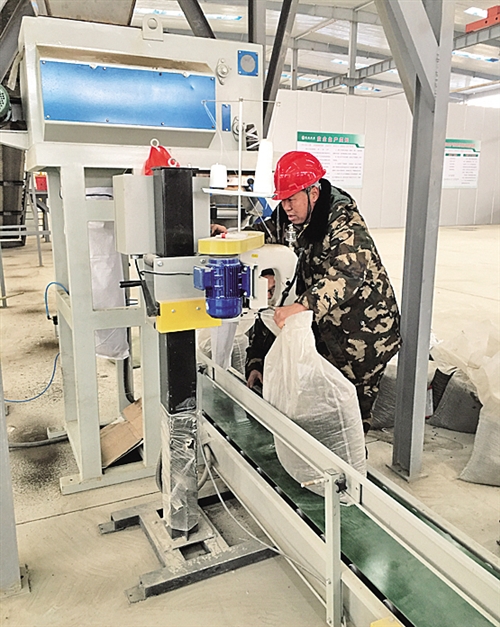
  After secondary fermentation, the garbage is made into organic fertilizer. The picture shows workers bagging and sealing organic fertilizers on the production line. Photo by Xu Yuezhi

  A few days ago, the "Urban Comprehensive Garbage Harmless and Resource-based Treatment System" was officially put into operation in Linyi County, Shanxi Province. The system’s harmless and resource-based treatment of comprehensive garbage can not only turn urban garbage into treasure, but also become new available resources, and at the same time, it will not cause adverse effects on the urban environment.

  At the scene of Linyi County Urban Comprehensive Garbage Harmless and Resource-based Treatment Center, the reporter saw that this fully automatic numerical control system with a daily garbage treatment capacity of 300 tons is easy to operate and highly automated.

  According to reports, the system can sort garbage without waste water, waste gas and waste residue, and the sorting rate can reach more than 99.5%. After that, the sorted garbage can be turned into reusable resources, and the resource utilization rate can reach more than 96%.

  "After the garbage enters the factory and is crushed, it is sent to the fermentation bin, and the super biological bacteria are sprayed in the fermentation bin for anaerobic fermentation. During the fermentation process, the garbage produces biogas. After desulfurization, dehydration, dust removal and pressure stabilization, the biogas meets the requirements of biogas generator set for biogas flow and quality, and then the biogas is delivered to the generator set for power generation." The staff of the center told the reporter, "The garbage after secondary fermentation is rich in a large number of nutrients needed for crop growth. The nutrient soil obtained after sorting and the biogas residue produced by anaerobic digestion of garbage percolate can be ground and granulated after adding appropriate nutrients. Organic fertilizer can be produced, which meets the relevant requirements of national agricultural fertilizer production standards and is used for landscaping."

  The comprehensive separator is the core equipment of the system. According to the characteristics of garbage, it can screen garbage into several categories, including organic soil, organic fertilizer, waste plastics, construction garbage, waste metal, etc., by using technologies such as wind power, gravity, magnetism, shape and speed, combined with technological processes such as mechanical selection, wind separation, magnetic separation, screening, automatic shearing and crushing.

  "Garbage is a misplaced resource, and how much garbage is produced when how many resources are consumed." Yuan Li, chairman of Jiangsu Xuefeng Environmental Protection Technology Co., Ltd. believes that, in turn, how much garbage should be transformed into how many resources.

  It is understood that this set of urban comprehensive garbage harmless and resource-based treatment system has invested a total of 130 million yuan, and the annual economic benefit is nearly 40 million yuan. Tested by relevant departments, the comprehensive garbage disposal center in Linyi, Shanxi Province has reached the requirements of relevant national environmental protection technical specifications, and has become an example of systematic and market-oriented operation.

  At present, there are three kinds of garbage disposal methods in the world: landfill, incineration for power generation and harmless and resource-based treatment. Among them, landfill not only occupies a lot of land resources, but also easily pollutes soil and groundwater resources, and can not produce economic benefits; Incineration power generation has a large investment and high operating cost. If it is not handled properly, the smoke will cause serious pollution to the atmospheric environment and be harmful to human body. Experts pointed out that the commissioning of the system has ended the history of landfill and incineration of urban comprehensive garbage. The harmless and resource-based treatment of comprehensive garbage can not only improve the urban environment and improve the quality of citizens’ living environment, but also realize the reuse of resources and save resources and energy. (Economic Daily-China Economic Net reporter Xu Yuezhi)

The face value is very exciting, with 175,800 cars and X95.

As long as you are not Fujiwara Takumi, in fact, most of the vehicle power is enough for your daily use. As a medium-sized suv, there are many highlights. As for the outstanding performance of the car, please read it together.

First of all, from the appearance, the front face design of Jietu X95 is very sharp, and the grille uses hexagonal shape, which is very recognizable. Paired with headlights, it looks quite young and fashionable. The car is equipped with LED daytime running lights, automatic opening and closing, delayed closing and so on. Come to the car side, the car body size is 4858MM*1925MM*1780MM, the car uses moving lines, the car body looks very avant-garde, with large-size thick-walled tires, eye-catching shape. In the rear part, the tail line of Jetway X95 is cold, and the taillights give people a very unique feeling. The exhaust pipe below adopts the design of bilateral single outlet, and the overall layout is impressive.

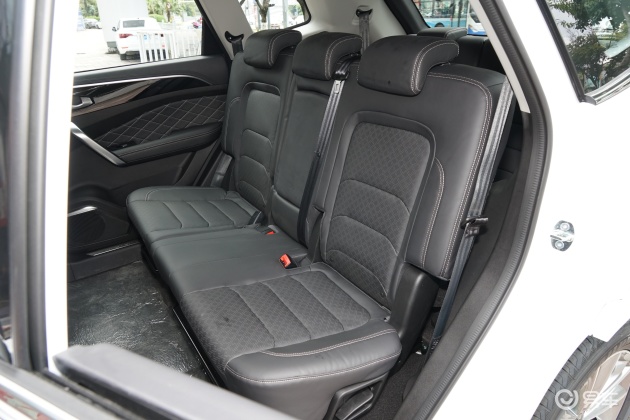
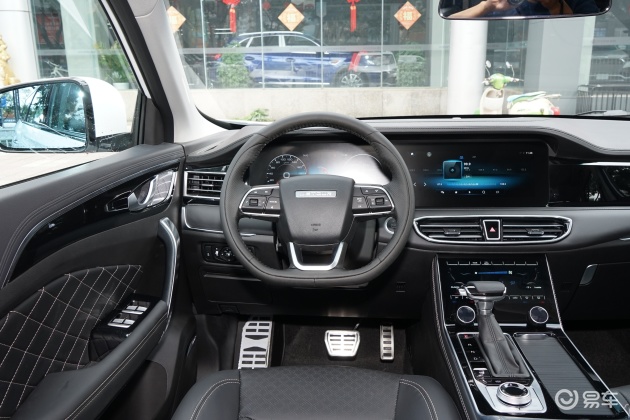
Coming into the car, Jietu X95 interior looks more capable, which is very in line with the tastes of young consumers. The shape of the steering wheel of the car is eye-catching, and it is equipped with the functions of manual steering wheel up and down+front and rear adjustment, which gives people a good grip experience. Let’s take a look at the central control, with a 12.3-inch touch-sensitive LCD screen, which makes the interior style impressive and looks quite young. The dashboard and the seat are equally eye-catching, and the dashboard design is remarkable and looks very cold. The car adopts imitation leather seats, which are wrapped in place and have good overall comfort.

The Jetway X95 is matched with a wet dual clutch (DCT) gearbox, with a maximum power of 145KW and a maximum torque of 290N.m, with good power performance.

Jietu X95 trunk space has excellent overall performance and regular shape, which is convenient for people to take their luggage. In addition, the car is equipped with anti-lock braking (ABS), LED daytime running lights, brake assist (EBA/BAS, etc.), braking force distribution (EBD), traction control (ASR/TCS, etc.), main driver airbag, co-pilot airbag, front side airbag and other safety configurations.

After reading the above introduction, let’s make a summary. Such a car with the right price is enough to meet the daily practical needs, and it doesn’t take much thought to maintain it at ordinary times, and the cost performance is good.

The EU issued a 13 billion euro tax bill to Apple in order to make an example of it.

  Core reading

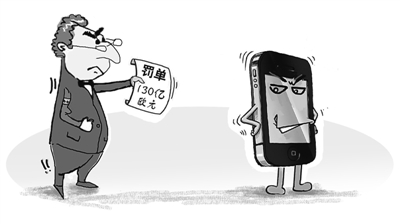
  On August 30th, the European Commission ruled that the American Apple Company illegally evaded taxes of 13 billion euros in Ireland, and Apple Company had to return the tax to the Irish government. This will be the largest tax collection bill issued by the European Union since the implementation of supervision on corporate taxation in member countries.

  The American government’s intervention in this incident has made the commercial and trade contradictions between the United States and Europe more prominent.

  To punish apples, the EU aims to make an example of them.

  Margaret Vestager, European Commissioner in charge of competition affairs, said at a press conference held on 30th, "After a three-year investigation, the European Commission found that the Irish government gave Apple a competitive tax preference, which made Apple pay a considerable amount of tax less than other enterprises for many years. According to EU law, it is illegal for companies to obtain state tax assistance. The tax rules that Ireland reached with Apple in 1991 and 2007 were equivalent to state subsidies and violated EU law. "

  Vestager said: "The standard tax rate of Irish corporate income tax is 12.5%, and the European Commission survey shows that Ireland’s selective tax policy has reduced Apple’s corporate tax from 1% in 2003 to 0.005% in 2014." To this end, the European Commission ruled that the Irish government must collect the tax (including interest) from Apple from 2003 to 2014 up to 13 billion euros, but the specific amount is determined by Ireland.

  The European Commission disclosed Apple’s tax avoidance measures in a press release issued on the 30th: "According to Irish law, an Irish company may not pay taxes in Ireland if its management and control rights are not in the country. Using this unique tax law, Apple first set up an Apple International Sales Company in Ireland to receive all sales revenue outside the United States and enjoy a lower income tax rate. Then, through the parent company of Apple International Sales Company — — Apple International Operation Company transferred its profits to the British Virgin Islands, where the latter is headquartered. Since the management right of Apple International Operation Company is not in Ireland, there is no need to pay taxes in Ireland, and the British Virgin Islands is almost tax-free. "

  In fact, Apple’s tax avoidance problem is just the tip of the iceberg. According to the EU’s estimation, tax avoidance causes tax losses of up to 70 billion euros to EU countries every year. The EU may also punish dozens of American companies such as Starbucks, Amazon and McDonald’s for tax avoidance in Ireland, the Netherlands, Belgium, Luxembourg and other "tax havens" over the past years.

  In response to the ruling, Apple said it would not bow its head.

  For the European Commission’s ruling, Apple showed an attitude of never bowing. The company issued a statement saying that most of its profits are paid taxes in the United States, and it has never requested or obtained any special arrangements. The company has always been committed to doing business in Ireland and plans to continue to invest. Apple believes that the EU’s ruling on this case may damage the investment of multinational companies in Europe, which is not conducive to the European economy.

  Tim Cook, CEO of Apple, published an open letter to customers. He bluntly said that this ruling made the principle of legal certainty in Europe face a "devastating blow". Luca Mestley, Apple’s chief financial officer, even said rudely that 13 billion euros was a "fabricated figure".

  The largest party group in the European Parliament — — Burkhard Balz, a spokesman for the European People’s Party, expressed support for the European Commission’s ruling. He said: "any enterprise operating in Europe should abide by the laws of the European Union, and no one can have privileges. In order to protect the EU internal market and ensure that no one violates the rules, we need consistent and strict competition rules and boldly implement them. " However, Balz expressed dissatisfaction with the tax refund to the Irish government. He thought that "this is simply a strange way to encourage member States to violate EU laws, and this money should be included in the EU budget and owned by the EU".

  Ross Maulde, investment director of British Bell Investment Company, believes that the EU’s huge tax on Apple seems to be trying to establish a fair image by cracking down on large overseas companies that avoid tax, but it remains to be seen whether this is beneficial to the EU’s economy. He said: "Capital always flows to the place where it is welcomed. In the past 20 years, Ireland’s economic development has largely benefited from its low corporate income tax policy. The EU will bear huge risks due to the punishment of Apple, which may weaken the enthusiasm of other big companies to enter Europe, destroy the investment environment and affect potential employment and taxation. " It is reported that Apple has 5,500 employees in Cork, Ireland, accounting for about a quarter of its European employees. Apple is also the largest private employer in Cork.

  Irish Finance Minister Michael Noonan expressed "deep opposition" to the European Commission’s ruling. He said: "Ireland’s tax system is strictly implemented in accordance with the law, without exception. The Irish government will appeal to the European Court of Justice. "

  Come forward to support, the United States threatened to carry out "retaliation."

  American business people, members of Congress, and even the Ministry of Finance and the White House came out to support Apple, accusing the European Commission’s ruling of being unreasonable. The U.S. Treasury Department issued a statement saying that the European Commission’s assessment of retroactive taxes and fees was unfair and violated generally accepted legal principles. The actions of the European Commission may undermine foreign investment, the business environment in Europe and the economic partnership between the United States and the European Union.

  Ernest, a White House spokesman, said that he was worried about the unilateral approach of the European Union and believed that it would undermine the fairness of the international tax system to taxpayers and enterprises.

  The US government said that the EU’s tax investigation on American companies such as Apple, Amazon and Starbucks would create a very "unfortunate" international tax precedent. A white paper issued by the US Treasury pointed out that the EU is becoming the world’s tax police, and warned that if the EU declares Apple "guilty", the US Treasury will consider taking "retaliatory measures". US Treasury Secretary Jacob Lew accused the European Commission of singling out American companies for investigation. The European Commission responded that the EU treated all companies operating in Europe equally, and the investigation did not specifically target American companies.

  With the intervention of the US government, this incident has gradually evolved from a problem between Apple and the European Union to a contradiction between the United States and Europe, and the prominent political color may deepen the rift between the United States and Europe in many aspects.

  According to the analysis, after all, Apple is a big guy, and it will not be easily convinced by a ticket issued by the European Union, nor will it affect the company’s operation and production mode. Apple has indicated that it will resolutely appeal. If the two sides can’t reach a compromise, it will mean a protracted "court war" is about to be staged.

  (Brussels, Washington, August 31st)

  ■ Comments

  Hu Tianlong (Research Fellow, Institute of International Monetary Studies, Renmin University of China): The European Commission’s ruling against Apple is a punishment for multinational companies’ tax evasion, and it is also a warning for multinational companies to abuse tax loopholes in various countries to reduce the overall tax burden of the company. At the same time, it also continues the EU’s practice of strengthening control and restrictions on multinational companies operating in EU member countries in recent years.

  At present, nearly 3/4 of the global top 500 multinational companies evade taxes and reduce the tax cost of the group through various tax avoidance plans and means. These companies set up operations in offshore financial centers such as Bermuda, Ireland, Luxembourg and the Netherlands to avoid or delay the payment of huge amounts of taxes. Specifically, Apple adopted a clever tax planning called "double Irish sandwich with Dutch sandwich" to avoid tax. Apple registered its subsidiaries in Europe, the Middle East, India, Africa, Asia and the Pacific in Cork, Ireland, which means that two-thirds of Apple’s total global revenue is generated by Irish employees who only account for 4% of the total global employees.

  The European Commission’s ruling itself is indeed suspected of interfering with the tax jurisdiction of the Irish government. To some extent, the implementation of the ruling by the European Commission has brought considerable uncertainty to the implementation and management of tax administration by EU member States. Except Ireland and Apple, which were dissatisfied with the ruling and said they would appeal, the White House and the Treasury both criticized and opposed the ruling.

  It can be predicted that the ruling will definitely do harm to the EU in attracting foreign investment and maintaining the stability of employment and jobs. What’s more, the ruling may affect the negotiation of the transatlantic trade and investment partnership agreement (TTIP) between the United States and the European Union, and have a negative impact on the economic and trade cooperation and political mutual trust between the European Union and the United States.

The Dragon Boat Festival staged the dragon boat race "Experience+Integration" to make the traditional culture of China more vivid.

CCTV News:Dragon boat race, chopping waves, making zongzi, hanging wormwood and making sachets, during the Dragon Boat Festival, various places carry out colorful folk activities, which are full of strong Dragon Boat Festival culture everywhere.

Jingxian County, Anhui Province: Taohuatan Water Dragon Boat Race attracts tens of thousands of people.

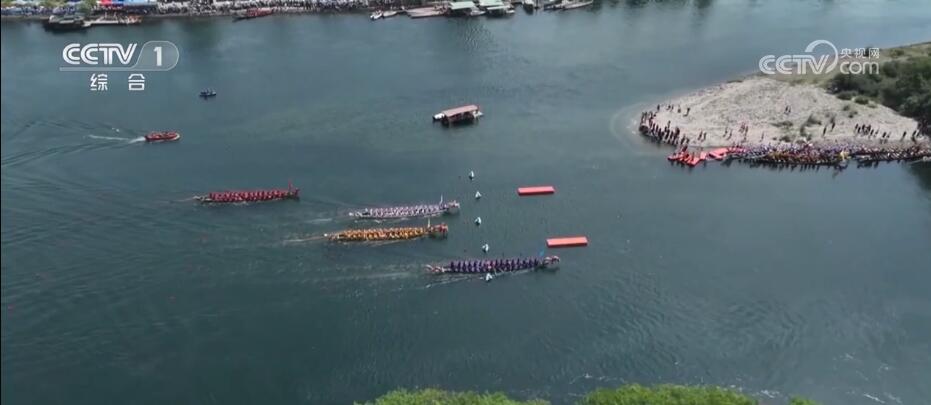
On the morning of June 21st, in Taohuatan, Jingxian County, Xuancheng County, Anhui Province, a lively Dragon Boat Festival started with drum beating. The contestants are all local villagers. A total of 31 teams participated in the Taohuatan Dragon Boat Race this year, with about 1,200 participants. Among them, more than half of them are working in other places and specially rushed back to their hometown to participate in the competition. In recent years, the "Dragon Boat Village Race" in Taohuatan has become more and more famous and attracted more and more tourists. This year, the total number of people watching the dragon boat race is expected to exceed 10,000.

Wuhan, Hubei Province: Dragon Boat Race for the Best.

In Dongxihu District, Wuhan, Hubei Province, a dragon boat race with the participation of the whole people began with great excitement. In the tight drums, the players shouted neat songs and made uniform movements. Qi Xin joined forces to sprint to the finish line. The dragon boat race is a 500-meter straight race, which is divided into two days. A total of 31 teams participated in the race, the oldest being 52 years old and the youngest being 9 years old.

Dong Binbin, a dragon boat player:Everyone is United as one, and we are twisted into a rope on the boat. We have an indomitable spirit and a champion’s heart.

Pingtang, Guizhou: Inheriting Folk Custom and Making Glutinous Dumplings for the Dragon Boat Festival

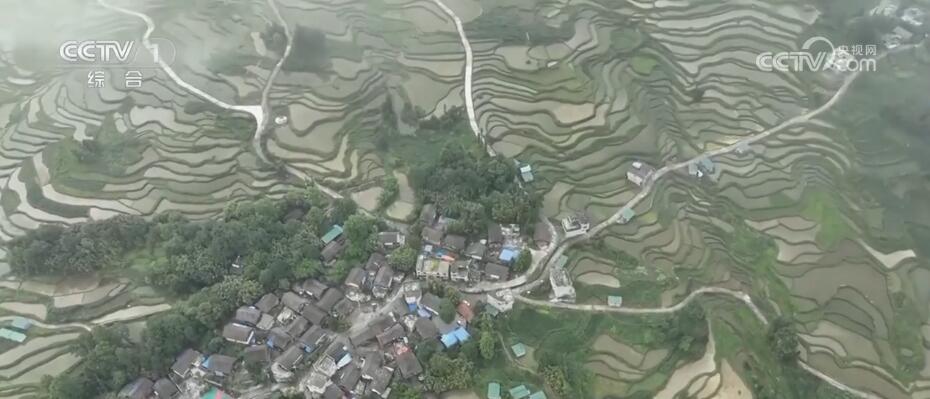
Near the Dragon Boat Festival, in Datang Town, Pingtang County, Qiannan Prefecture, Guizhou Province, the local Miao people have been busy making dumplings early. People washed and dried the fresh leaves of zongzi, fried glutinous rice, and added plant ash made of glutinous rice straw for seasoning. After the materials were prepared, the elders and young people in the village wrapped zongzi together.

Sichuan Linshui: Dumplings in ancient courtyards are fragrant, and thousands of people compete to make dumplings.

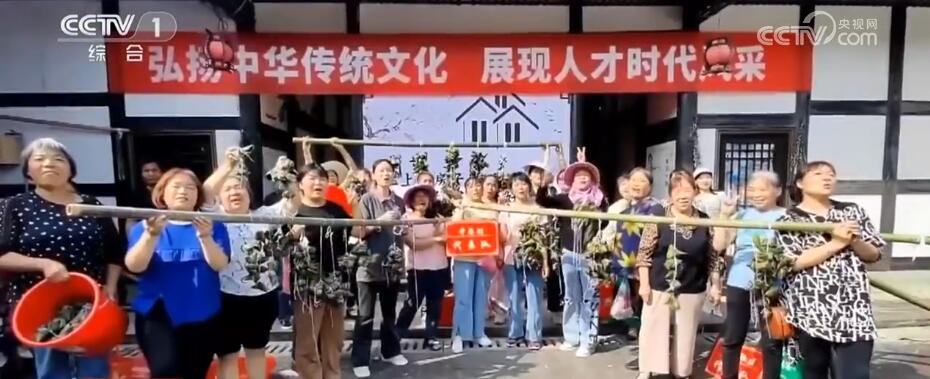
In Tanjia Courtyard, Yuanshi Town, Linshui County, Sichuan Province, local villagers and agricultural technicians gathered together to hold a contest of making dumplings for thousands of people. On the courtyard dam, the contestants skillfully made zongzi, and soon, beautiful and strong pointed zongzi were wrapped, and laughter filled the century-old courtyard, showing a strong festive atmosphere.

Ji ‘an, Jiangxi: Weaving eggs and hanging wormwood in the Dragon Boat Festival is traditional and fashionable.

In Aicaotang, Chenkeng Village, Meitang Town, Ji ‘an County, Jiangxi Province, villagers, volunteers and school teachers and students weave an egg pocket with colorful ropes. After weaving, they put the boiled eggs in the bag and hang them around the children’s necks.

Dai Fengying, teacher of Meitang Primary School in Ji ‘an County, Jiangxi Province:Weaving an egg pocket with colorful ropes is first of all a moral that adults place on children, that is, they hope that they can be safe after hanging up the egg pocket.

Teachers and students also use fresh wormwood and calamus with beautiful summer flowers to make traditional and fashionable wormwood bouquets.

Tongwei, Gansu: Mulan soup with cinnabar traditional folk custom welcomes Dragon Boat Festival.

In the Tongwei County Museum in Dingxi City, Gansu Province, children dressed in Hanfu lined up and washed their hands with herbal medicine in turn. The museum staff lit cinnabar on their foreheads to wish them good health and peace.

The design is fashionable and the new BMW 5 Series and i5 will be launched on May 24th.

Recently, we learned from foreign media that a new generation of BMW 5 Series and i5 will be launched on May 24th. It is understood that the new car will launch a fuel version and a plug-in version, and will also launch an i5 pure electric version.

In terms of appearance, the new car adopts the family’s iconic kidney front grille with sharper headlights, matching the design of the through front enclosure, and the whole front looks very slender and exquisite.

On the side of the car body, the side lines of the new car run straight through, with the slightly slip-back shape and the design of the hidden door handle, the whole car body looks slender and atmospheric.

In the rear part, the rear design of the new car is relatively regular, and the slightly upturned "little ass" is matched with the newly designed taillight group, which looks fashionable and dynamic as a whole. In terms of power, the long-wheelbase version will use two kinds of gasoline engines, and the new car will continue to use the 2.0T engine and join the 48V light mixing system, and it is expected to follow the naming of 525Li and 530Li. We will continue to pay attention to more news about the new car.

Provisions of Beijing Municipality on Basic Medical Insurance

Chapter I General Provisions

  the first In order to ensure that employees and retirees get basic medical care and enjoy medical insurance benefits when they are sick, these Provisions are formulated in accordance with the relevant provisions of the state and combined with the actual situation of this Municipality.

  the second These Provisions shall apply to all employers in cities and towns within the administrative area of this Municipality, including enterprises, organs, institutions, social organizations, private non-enterprise units (hereinafter referred to as employers) and their employees and retirees.

  The specific time for employers, their employees and retirees to participate in the basic medical insurance shall be stipulated by the municipal labor and social security administrative department (hereinafter referred to as the municipal labor and social security administrative department).

  Article The municipal labor and social security administrative department is in charge of the city’s medical insurance work, organizes the implementation of the medical insurance system, and is responsible for the management, supervision and inspection of the medical insurance work.

  The district and county administrative departments of labor security shall be responsible for the management, supervision and inspection of medical insurance within their respective administrative areas.

  Social insurance agencies set up by the municipal, district and county administrative departments of labor security shall specifically handle medical insurance.

  Article 4 The basic medical insurance premium shall be borne by both employers and employees, paid jointly and coordinated by the whole city. The basic medical insurance fund implements the principle of combining social pooling with individual accounts. The level of basic medical insurance should be compatible with the development level of social productive forces in this Municipality and the affordability of finance, employers and individuals.

  Article 5 Based on the implementation of basic medical insurance, this Municipality has established a system of mutual assistance for large medical expenses, implemented the national civil service medical subsidy method, and enterprises and institutions can establish supplementary medical insurance to encourage employers and individuals to participate in commercial medical insurance.

  Article 6 Combined with the establishment of the basic medical insurance system, we will actively promote the reform of the medical and health system in cities and towns, and provide relatively high-quality medical services for employees and retirees at relatively low costs to meet the needs of the broad masses of people for basic medical services.

Chapter II Basic Medical Insurance Fund

  Article 7 The basic medical insurance fund should be supported by income and balanced.

  Article 8 The basic medical insurance fund consists of the following items:

  (a) the basic medical insurance premium paid by the employer;

  (two) the basic medical insurance premiums paid by individual employees;

  (three) the interest of the basic medical insurance premium;

  (four) the basic medical insurance premium payment;

  (five) other funds incorporated into the basic medical insurance fund according to law.

  Article 9 The basic medical insurance premium is jointly paid by the employer and individual employees. Employers and employees shall pay the basic medical insurance premium in full and on time. If it is not paid in full and on time, regardless of individual account, the basic medical insurance fund will not pay its medical expenses.

  Article 10 Employees pay the basic medical insurance premium at 2% of their average salary in the previous year.

  If the average monthly salary of employees in the previous year is lower than 60% of the average monthly salary of employees in this city in the previous year, 60% of the average monthly salary of employees in this city in the previous year shall be the base of payment, and the basic medical insurance premium shall be paid.

  The part where the average monthly salary of employees in the previous year was higher than the average monthly salary of employees in this city by more than 300% in the previous year will not be used as the base of payment of wages, and the basic medical insurance premium will not be paid.

  If it is impossible to determine the average monthly salary of employees in the previous year, the average monthly salary of employees in this city in the previous year shall be the base of payment salary, and the basic medical insurance premium shall be paid.

  Article 11 Persons who have retired before the implementation of these Provisions do not pay the basic medical insurance premium. After the implementation of these Provisions, those who have joined the work and paid the basic medical insurance premium for 25 years for men and 20 years for women have gone through the retirement formalities in accordance with the provisions of the state, and those who receive the basic pension or retirement fee on a monthly basis will enjoy the basic medical insurance benefits for retirees and will no longer pay the basic medical insurance premium.

  Before the implementation of these Provisions, if he retires after taking part in the work and pays the basic medical insurance premium for less than the period specified in the preceding paragraph, he will enjoy the basic medical insurance benefits for retirees after making up the basic medical insurance premium that should be paid by employers and individuals at one time, and will no longer pay the basic medical insurance premium. As determined by the administrative department of labor and social security, if the continuous length of service or working years of employees meet the requirements of the state, it shall be regarded as the payment period of basic medical insurance.

  Article 12 The employer shall pay the basic medical insurance premium at 9% of the sum of all employees’ payment wage bases.

  Article 13 When the proportion of basic medical insurance premium needs to be adjusted, it shall be proposed by the municipal labor and social security administrative department in conjunction with the municipal finance department and submitted to the Municipal People’s government for approval.

  Article 14 The employing unit shall truthfully declare the average salary of employees in the previous year to the social insurance agency on time, and the social insurance agency shall verify the basic medical insurance payment salary base in accordance with the regulations.

  Article 15 The basic medical insurance premium payable by the employer shall be withheld by the social insurance agency on a monthly basis by entrusting the employer’s bank with the settlement method of "entrusting the bank to collect money (no payment period)".

  The basic medical insurance premiums payable by individual employees shall be withheld and remitted by the employer from his salary on a monthly basis.

  Article 16 The basic medical insurance fund shall be managed as a whole and at different levels in the whole city, all of which shall be included in the financial accounts of social security funds, and the management of revenue and expenditure shall be carried out separately.

  The basic medical insurance fund shall be earmarked for special purposes, and shall not be misappropriated or used to balance fiscal revenue and expenditure.

  Article 17 The part raised by the basic medical insurance fund in that year shall bear interest according to the bank deposit interest rate; The fund principal and interest carried forward from the previous year shall bear interest at the bank deposit rate of lump-sum deposit for 3 months; The deposit fund deposited in the financial special account of the social security fund shall bear interest according to the three-year zero deposit and lump-sum savings deposit interest rate, which is not lower than the interest rate of this grade.

  Article 18 The basic medical insurance fund implements a unified social insurance budget and final accounts system, financial accounting system and internal audit system.

Chapter III Individual Accounts of Basic Medical Insurance

  Article 19 Social insurance agencies shall establish individual accounts for basic medical insurance for employees and retirees (hereinafter referred to as individual accounts).

  Article 20 An individual account consists of the following items:

  (a) the basic medical insurance premiums paid by individual employees;

  (two) the basic medical insurance premium paid by the employer in accordance with the regulations;

  (3) Interest on the amount stored in individual accounts;

  (four) other funds into the personal account according to law.

  Article 21 Part of the basic medical insurance premium paid by the employer shall be included in the personal account according to the following standards:

  (a) employees under the age of 35 are included in personal accounts at 0.8% of their monthly salary base;

  (two) employees over the age of 35 but under the age of 45 are included in individual accounts according to 1% of their monthly salary base;

  (three) employees over the age of 45 are included in personal accounts according to 2% of their monthly salary base;

  (4) Retirees under the age of 70 shall be transferred to individual accounts according to 4.3% of the average monthly salary of employees in this Municipality in the previous year;

  (five) retirees over the age of 70 were transferred to individual accounts according to 4.8% of the average monthly salary of employees in this Municipality in the previous year.

  When the standards listed in the preceding paragraph need to be adjusted according to social and economic development and fund revenue and expenditure, the municipal labor and social security administrative department shall, jointly with the municipal finance department, put forward an adjustment plan, which shall be promulgated and implemented after being approved by the Municipal People’s government.

  Article 22 The amount stored in individual account shall be calculated with reference to deposit interest rate, a resident of the bank in the same period every year.

  Article 23 The principal and interest of individual accounts are owned by individuals and can only be used for basic medical insurance, but they can be carried forward and inherited.

  When employees and retirees die, the amount stored in their personal accounts is included in the personal accounts of their heirs; If the heir does not participate in the basic medical insurance, the amount stored in the personal account can be paid to the heir in one lump sum; If there is no heir, the amount of personal account storage will be included in the basic medical insurance pooling fund.

  Article 24 Unemployed people do not pay the basic medical insurance premium, personal accounts stop being included, and the balance can continue to be used. During the period of receiving unemployment insurance benefits, the unemployed enjoy Medicaid treatment in accordance with the provisions of unemployment insurance.

  Article 25 When the personnel participating in the basic medical insurance flow in the insured districts and counties, only the basic medical insurance relationship is transferred, and the personal account storage amount is not transferred; Cross-regional, county or cross-regional flow, the transfer of basic medical insurance relations, while transferring personal account storage.

Chapter IV Basic Medical Insurance Benefits

  Article 26 The basic medical insurance fund and individual account shall delimit their respective payment ranges, and shall be accounted for separately, and shall not occupy each other. In accordance with the basic medical insurance fund to pay the scope of medical expenses, paid by the basic medical insurance fund and individual accounts.

  Article 27 The basic medical insurance fund shall pay the medical expenses of employees and retirees, which shall conform to the list of basic medical insurance drugs, the list of diagnosis and treatment items, the scope of service facilities and the payment standards stipulated by this Municipality.

  The list of basic medical insurance drugs, the list of diagnosis and treatment items, the scope of medical service facilities and the specific measures for payment standards shall be formulated separately by the municipal labor and social security administrative department in conjunction with relevant departments.

  Article 28 Personal account to pay the following medical expenses:

  (a) outpatient and emergency medical expenses;

  (two) the cost of purchasing drugs at designated retail pharmacies;

  (three) the basic medical insurance fund Qifubiaozhun below the medical expenses;

  (four) medical expenses that exceed the threshold of the basic medical insurance pooling fund and should be borne by individuals in proportion.

  The insufficient part of the personal account is paid by myself.

  Article 29 The basic medical insurance fund pays the following medical expenses:

  (1) Medical expenses for hospitalization;

  (two) emergency rescue and hospitalization, the medical expenses within 7 days before hospitalization;

  (three) the outpatient medical expenses of radiotherapy and chemotherapy for malignant tumors, renal dialysis and taking anti-rejection drugs after renal transplantation.

  Article 30 The basic medical insurance fund shall not pay the following medical expenses:

  (a) to see a doctor in a medical institution other than my designated medical institution, except for emergency treatment;

  (2) purchasing drugs in non-designated retail pharmacies;

  (3) Injuries caused by traffic accidents, medical accidents or other liability accidents;

  (four) because I take drugs, fight or other illegal acts caused by injury;

  (five) due to suicide, self-mutilation, alcoholism and other reasons for treatment;

  (6) being treated abroad or in Hongkong, Macao Special Administrative Region and Taiwan Province;

  (seven) in accordance with the provisions of the state and the city should be paid by the individual.

  Article 31 Medical expenses incurred by employees of enterprises who suffer from work-related injuries and occupational diseases shall be implemented in accordance with the relevant provisions of industrial injury insurance. The medical expenses for the birth of female employees shall be implemented in accordance with the relevant provisions of the state and this Municipality.

  Article 32 Qifubiaozhun for basic medical insurance co-ordination fund payment is determined by about 10% of the average wage of employees in this city in the previous year. The qifubiaozhun for the medical expenses incurred by an individual in hospitalization for the second time and later in a year is determined by about 5% of the average wage of employees in this city in the previous year.

  Article 33 The cumulative maximum payment limit of medical expenses paid by the basic medical insurance pooling fund to employees and retirees in a year is determined by about 4 times of the average salary of employees in this city in the previous year.

  Article 34 When the Qifubiaozhun and the maximum payment limit paid by the basic medical insurance pooling fund need to be adjusted, it shall be proposed by the municipal labor and social security administrative department in conjunction with the municipal finance department, and shall be released by the municipal labor and social security administrative department after being reported to the Municipal People’s government for approval.

  Article 35 The basic medical insurance pooling fund sets the settlement period for paying medical expenses.

  The settlement period is set according to the time of hospitalization of employees and retirees, radiotherapy and chemotherapy for malignant tumors, renal dialysis and outpatient treatment with anti-rejection drugs after renal transplantation.

  Article 36 In a settlement period, the medical expenses incurred by employees and retirees shall be calculated by sections and paid cumulatively according to the level of the hospital and the amount of expenses, and shall be shared by the basic medical insurance fund and individuals according to the following proportions:

  (1) Medical expenses incurred in tertiary hospitals:

  1 Qifubiaozhun to 30 thousand yuan, 85% of the overall fund to pay, workers pay 15%;

  2 more than 30 thousand yuan to 40 thousand yuan, the overall fund to pay 90%, 10% workers pay;

  3 more than 40 thousand yuan, the overall fund to pay 95%, workers pay 5%.

  (two) medical expenses incurred in secondary hospitals:

  1 Qifubiaozhun to 30 thousand yuan, 87% of the overall fund to pay, workers pay 13%;

  2 more than 30 thousand yuan to 40 thousand yuan, the overall fund to pay 92%, 8% workers pay;

  3 more than 40 thousand yuan, the overall fund to pay 97%, workers pay 3%.

  (3) Medical expenses incurred in first-class hospitals and family beds:

  1 Qifubiaozhun to 30 thousand yuan, 90% of the overall fund to pay, workers pay 10%;

  2 more than 30 thousand yuan to 40 thousand yuan, the overall fund to pay 95%, workers pay 5%;

  3 more than 40 thousand yuan, the overall fund to pay 97%, workers pay 3%.

  (4) The individual payment ratio of retirees is 60% of that of employees.

  However, the maximum amount paid by the basic medical insurance pooling fund in proportion shall not exceed the maximum payment limit stipulated in Article 33 of these Provisions.

  When the payment ratio of the basic medical insurance fund listed in the first paragraph of this article needs to be adjusted, the municipal labor and social security administrative department shall, jointly with the municipal finance department, put forward an adjustment plan, which shall be promulgated and implemented after being approved by the Municipal People’s Government.

Chapter V Supplementary Medical Insurance

  Article 37 Establish a mutual aid system for large medical expenses. The mutual fund for large medical expenses pays the medical expenses of employees and retirees that exceed a certain amount of outpatient and emergency medical expenses and exceed the maximum payment limit of the basic medical insurance pooling fund (excluding Qifubiaozhun and personal burden) in proportion within one year. Employers and their employees and retirees who participate in the basic medical insurance shall participate in mutual assistance for large medical expenses, except for employers and their employees and retirees who implement the national civil service Medicaid measures.

  Measures for mutual assistance of large medical expenses shall be formulated by the municipal labor security administrative department in conjunction with the municipal finance department.

  Article 38 Mutual funds for large medical expenses are jointly paid by employers and individuals. The employer shall pay 1% of the sum of all employees’ salary bases, and the employees and retirees shall pay in 3 yuan every month.

  Large mutual funds for medical expenses shall be paid together with the basic medical insurance premium every month.

  When the mutual funds for large medical expenses are insufficient to pay, the finance will give appropriate subsidies. When the proportion and amount of mutual funds for large medical expenses need to be adjusted, it shall be proposed by the municipal labor and social security administrative department in conjunction with the municipal finance department and reported to the Municipal People’s government for approval.

  Article 39 Large mutual funds for medical expenses shall be co-ordinated in the whole city, accounted for separately, included in the financial accounts of social security funds, and bear interest according to the interest-bearing method of basic medical insurance funds.

  The social insurance agency is responsible for the unified collection, management and use of mutual funds for large medical expenses.

  Article 40 Mutual funds for large medical expenses shall pay large medical expenses that meet the requirements of basic medical insurance in the following ways:

  (a) workers in an annual outpatient and emergency medical expenses accumulated more than 2000 yuan, 50% of the large medical expenses paid by mutual funds and 50% paid by individuals.

  (two) retirees in an annual outpatient and emergency medical expenses accumulated more than 1300 yuan, retirees under the age of 70, 70% of the large medical expenses paid by mutual funds, 30% paid by individuals; For retirees over 70 years old, 80% of the large medical expenses are paid by mutual funds and 20% by individuals.

  (three) the maximum amount of large medical expenses mutual funds to pay the outpatient and emergency medical expenses of employees and retirees in a year is 20 thousand yuan.

  (IV) Hospitalization medical expenses of employees and retirees that exceed the maximum payment limit of the basic medical insurance pooling fund (excluding the part below Qifubiaozhun and personal burden), outpatient medical expenses of radiotherapy and chemotherapy for malignant tumors, renal dialysis and taking anti-rejection drugs after kidney transplantation, 70% of large medical expenses are paid by mutual funds and 30% by individuals. However, the maximum amount paid by mutual funds for large medical expenses in one year is 100,000 yuan.

  When the Qifubiaozhun, payment proportion and maximum payment limit of mutual funds for large medical expenses need to be adjusted, the municipal labor and social security administrative department shall, jointly with the municipal finance department, propose it and report it to the Municipal People’s government for approval.

  Article 41 Enterprises and institutions participating in basic medical insurance may establish supplementary medical insurance. The part of the supplementary medical insurance premium of an enterprise within 4% of the total wages of its employees is included in the cost.

  Measures for supplementary medical insurance shall be formulated by the municipal labor security administrative department in conjunction with the municipal finance department.

  Article 42 On the basis of participating in the basic medical insurance, national civil servants enjoy Medicaid treatment. The specific measures are proposed by the municipal labor security administrative department in conjunction with the municipal finance department and implemented after being reported to the Municipal People’s Government for approval.

  Article 43 For employees and retirees who enjoy the minimum living guarantee for urban residents in this city, they will be taken care of in the medical expenses borne by individuals.

  The city set up medical assistance funds for poor people, and the relevant departments shall take measures to raise funds in various ways to solve the difficulties caused by excessive medical expenses for poor people.

Chapter VI Medical Management

  Article 44 The city’s medical insurance implements a designated medical system. According to the principle of "nearby medical treatment and convenient management", employees and retirees can choose 3 to 5 designated medical institutions, which will be summarized by the unit and reported to the social insurance agency in the region and county where the unit is located, and determined by the social insurance agency as a whole. Designated specialist medical institutions and designated Chinese medicine medical institutions are designated medical institutions common to all insured workers and retirees.

  When employees and retirees get sick, they can go to my designated medical institutions with medical insurance certificates in accordance with the regulations, or they can buy medicines from designated retail pharmacies with prescriptions issued by doctors in designated medical institutions.

  Article 45 Medical institutions and retail pharmacies willing to undertake the designated services of basic medical insurance may apply to the administrative department of labor and social security. Those who meet the requirements shall be identified as designated medical institutions and retail pharmacies by the municipal administrative department of labor and social security, and their qualification certificates shall be issued and announced to the public. Those who have obtained designated qualifications and are identified as designated medical institutions and retail pharmacies shall sign agreements with social insurance agencies.

  Measures for the administration of designated medical institutions and retail pharmacies shall be formulated by the municipal labor and social security administrative department in conjunction with the municipal departments of finance, health, traditional Chinese medicine management and drug supervision.

  Article 46 Relevant departments should implement dynamic management of designated medical institutions and retail pharmacies. Designated medical institutions and retail pharmacies should strictly implement the price policies and standards stipulated by the state and this Municipality, implement the relevant provisions of the basic medical insurance system, and establish an internal management system that is compatible with the management of basic medical insurance.

  Article 47 Designated medical institutions shall set up specialized agencies or full-time staff to be responsible for the specific work of basic medical insurance, strictly implement the regulations and standards of the state and this Municipality on the management of medical services, formulate and implement the routine diagnosis and treatment of common diseases, establish the comprehensive evaluation standard of medical quality and benefit, and accurately provide relevant information on outpatient service, emergency service, hospitalization and single disease of basic medical insurance personnel.

  Article 48 Designated retail pharmacies should be staffed with personnel responsible for the specific work of basic medical insurance, abide by the provisions of the state and this Municipality on drug management, and establish a drug quality assurance system to ensure safe and effective drug supply.

  Article 49 The part of outpatient and emergency medical expenses and hospitalization medical expenses paid by individuals, as well as the cost of purchasing medicines at designated retail pharmacies, shall be directly settled by individuals and designated medical institutions and retail pharmacies; The medical expenses paid by the basic medical insurance fund shall be settled with the designated medical institutions after being audited by the social insurance agency. The specific measures shall be formulated separately by the municipal labor security administrative department in conjunction with the municipal finance and health departments.

  Article 50 Reform the urban medical and health service system and vigorously develop community health services to facilitate people’s medical treatment. By introducing a competitive mechanism, we can curb the excessive growth of medical expenses and reduce the burden on the people and society. Establish a new classified management system for medical institutions, implement separate accounting, separate management and centralized bidding and purchasing systems for drugs, and strengthen supervision over medical services and drug prices.

Chapter VII Organization, Management and Supervision

  Article 51 The medical insurance in this Municipality implements a system of separate administration, fund management and affairs handling.

  Article 52 The responsibilities of the administrative department of labor security are:

  (a) to implement the laws, regulations and relevant provisions of medical insurance;

  (2) Organizing the implementation of the medical insurance system;

  (3) To study and formulate policies and development plans for medical insurance;

  (four) to guide the work of social insurance agencies;

  (five) to supervise and inspect the collection of medical insurance premiums and the payment of medical insurance funds;

  (six) supervision and inspection of the implementation of the provisions of the basic medical insurance in designated medical institutions and retail pharmacies.

  Article 53 The responsibilities of social insurance agencies are:

  (a) responsible for the collection of medical insurance premiums and the payment and management of medical insurance funds in accordance with the regulations;

  (two) the preparation of medical insurance fund budget and final accounts;

  (3) Establishing and managing individual accounts for basic medical insurance in accordance with regulations;

  (4) signing agreements with designated medical institutions and retail pharmacies in accordance with regulations, examining and paying medical insurance fees, and guiding the medical insurance work of designated medical institutions and retail pharmacies;

  (five) to provide medical insurance inquiry and consulting services;

  (six) other duties stipulated by the state and this Municipality.

  Article 54 The funds required by the social insurance agency shall be included in the financial budget and allocated by the finance.

  Article 55 Labor and social security, health, Chinese medicine management, drug supervision, price and other departments should strengthen the management, supervision and inspection of employers and individuals participating in medical insurance, designated medical institutions and designated retail pharmacies.

  Employers and individuals participating in medical insurance, designated medical institutions, and designated retail pharmacies violate these provisions and defraud medical insurance funds. The administrative department of labor security will record them in the medical insurance credit information system and implement key supervision and inspection. Necessary restrictive measures can be taken during key supervision and inspection.

  Article 56 The financial and auditing departments shall be responsible for supervising the income and expenditure and management of medical insurance funds of social insurance agencies according to law.

  Article 57 The Social Insurance Supervision Committee is responsible for supervising the implementation of relevant laws, regulations and policies and the management of medical insurance funds in accordance with relevant regulations.

Chapter VIII Legal Liability

  Article 58 If the employer fails to pay the basic medical insurance premium or large mutual funds for medical expenses in accordance with the regulations, resulting in the failure to transfer the basic medical insurance fund into individual accounts in accordance with the regulations, and the employees and retirees cannot enjoy the relevant medical insurance benefits, the employer shall compensate the employees and retirees for the losses caused thereby.

  Article 59 If the employer fails to pay the basic medical insurance premium in accordance with the provisions or fails to declare the basic medical insurance payment wage base in accordance with the provisions, resulting in the omission or underpayment of the basic medical insurance premium, or fails to withhold and remit the basic medical insurance premium in accordance with the provisions, the administrative department of labor security shall order it to pay within a time limit; Fails to pay, in addition to repay the amount owed, from the date of default, a daily surcharge of 2/1000.

  Article 60 If the employer fails to participate in the basic medical insurance and pay the basic medical insurance premium in accordance with the regulations, the administrative department of labor and social security shall punish it in accordance with the provisions of the Provisional Regulations on the Collection and Payment of Social Insurance Fees in the State Council.

  Article 61 If the employer defrauds the medical insurance fund, the social insurance agency shall recover the defrauded fund, and the administrative department of labor security shall impose a fine of more than 1 time and less than 3 times on the employer; If the circumstances are serious enough to constitute a crime, criminal responsibility shall be investigated according to law.

  Article 62 Individuals who participate in medical insurance resort to deceit to defraud medical insurance benefits, or resell drugs reimbursed by the medical insurance fund to seek improper benefits, resulting in the loss of the medical insurance fund, the administrative department of labor security shall order them to return, and impose a fine of more than 1 time and less than 3 times the amount of the medical insurance fund defrauded by the individual; If the circumstances are serious enough to constitute a crime, criminal responsibility shall be investigated according to law.

  If the acts mentioned in the preceding paragraph have not caused losses to the medical insurance fund, the administrative department of labor security may impose a fine of not more than 1000 yuan on the individual.

  Article 63 Designated medical institutions have one of the following acts, resulting in the loss of the basic medical insurance fund, it shall compensate for the losses, and the administrative department of labor security shall order it to make corrections, and may impose a fine of more than 5,000 yuan and less than 20,000 yuan; If the circumstances are serious, the qualification of designated medical institutions for basic medical insurance shall be cancelled:

  (a) the medical expenses of those who have not participated in medical insurance are paid by the basic medical insurance pooling fund or the large medical expenses mutual fund;

  (two) the medical expenses that should be borne by individuals are paid by the basic medical insurance fund or the large medical expenses mutual fund;

  (three) the expenses of non-emergency and rescue patients are included in the emergency and rescue projects;

  (four) hospitalization of patients who do not meet the hospitalization standards, or deliberately extend the hospitalization time of patients, or pretend to be hospitalized or falsify medical records;

  (five) misappropriation of other people’s personal accounts;

  (six) resort to deceit, drug exchange;

  (seven) by other means to defraud medical insurance.

  If one of the acts mentioned in the preceding paragraph has not caused losses to the medical insurance fund, the administrative department of labor security may impose a fine of not more than 5,000 yuan on the designated medical institution.

  Article 64 Designated retail pharmacies have one of the following acts, and the administrative department of labor security shall impose a fine of 20 thousand yuan or more from 1000 yuan; If the circumstances are serious, the qualification of designated retail pharmacies shall be cancelled:

  (1) Failing to sell drugs according to external prescriptions;

  (two) not according to the prescription dosage;

  (three) the prescription drugs are replaced by other items.

  Article 65 Designated medical institutions and retail pharmacies in violation of medical treatment, drugs, prices and other management regulations, the administrative department of labor security shall be submitted to the relevant departments for handling; If the circumstances are serious, its fixed-point qualification shall be cancelled.

  Article 66 If the staff of the social insurance agency violates the medical insurance regulations, resulting in the loss of the medical insurance fund, the administrative department of labor security shall order it to recover; If the circumstances are serious, administrative sanctions shall be imposed according to law.

  Article 67 If the staff of social insurance agencies fail to perform their duties and pay medical insurance benefits in accordance with the regulations, the administrative department of labor security shall criticize them and order them to make corrections; If serious consequences are caused, administrative sanctions shall be imposed according to law.

  Article 68 The administrative department of labor and social security, social insurance agencies staff abuse of power, corruption, dereliction of duty, resulting in the loss of medical insurance fund, by the administrative department of labor and social security to recover the loss of medical insurance fund; If the case constitutes a crime, criminal responsibility shall be investigated according to law; Those who have not constituted a crime shall be given administrative sanctions according to law.

  Article 69 Units or individuals who misappropriate medical insurance funds shall be dealt with in accordance with the provisions of Article 28 of the Provisional Regulations on the Collection and Payment of Social Insurance Fees in the State Council.

Chapter IX Supplementary Provisions

  Article 70 The medical treatment of retired personnel, the old Red Army, and disabled revolutionary servicemen above Class B will remain unchanged, and the medical expenses will be solved according to the original funding channels. Specific measures shall be formulated by the municipal administrative department of labor and social security jointly with relevant departments and submitted to the Municipal People’s government for approval.

  Article 71 Urban individual industrial and commercial households and their employees shall refer to these regulations.

  Article 72 These Provisions shall come into force as of April 4, 2001.
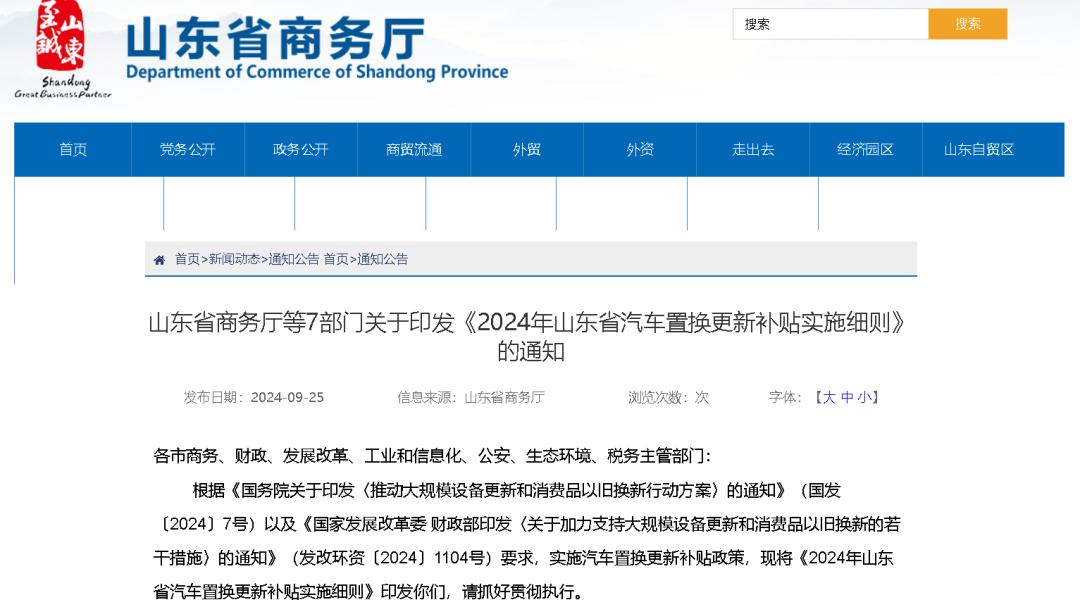
Notice of the General Office of the People’s Government of Inner Mongolia Autonomous Region on some measures to promote the accelerated development of e-commerce

The administrative offices of the Union, the Municipal People’s Government and the relevant commissions, offices, departments and bureaus of the autonomous region:

In order to thoroughly implement the deployment arrangements of the Notice of the State Council on Printing and Distributing a Package of Policies and Measures to Stabilize the Economy (Guo Fa [2022] No.12), conscientiously implement the work requirements of the Party Committee and the government of the autonomous region, and promote the accelerated development of e-commerce in the whole region, relevant measures are hereby notified as follows with the consent of the people’s government of the autonomous region in accordance with the relevant provisions of the Electronic Commerce Law of the People’s Republic of China and relevant policy documents of the state and the autonomous region.

First, accelerate the development of e-commerce platform

(1) Increase investment in e-commerce platforms. Give full play to the role of investment guidance funds of governments at all levels. For the e-commerce platform enterprises with significant driving effects determined by the administrative offices of various leagues and the Municipal People’s Government, special industrial development funds can be set up, or enterprises can be encouraged to accelerate the development of e-commerce platforms through market-oriented operations such as equity participation, mergers and acquisitions, and restructuring. (The Department of Commerce and the Department of Finance of the Autonomous Region, the administrative offices of the Union and the Municipal People’s Government shall be responsible for the division of responsibilities)

(2) Deepening the construction of innovation platforms for industrial enterprises. For the newly created regional, industry and enterprise industrial Internet platforms, according to 20% of the actual investment, the maximum amount of a single project shall not exceed 5 million yuan, 4 million yuan and 3 million yuan. A one-time subsidy of 5 million yuan will be given to enterprises that build new secondary nodes of industrial Internet logo analysis and realize interconnection with national top nodes. Enterprises that carry out innovative application of industrial Internet logo analysis will be subsidized according to the application effect, with a maximum of 3 million yuan for a single enterprise. (The Department of Industry and Information Technology and the Department of Finance of the Autonomous Region are responsible for the division of responsibilities)

Second, promote the demonstration construction of e-commerce

(3) Accelerate the construction of a number of demonstration parks for e-commerce industry agglomeration. Encourage all cities (including development zones) to rationally plan and lay out the development space of e-commerce industry according to their own development characteristics, and aggregate superior resources through transformation and new construction, so as to create a number of e-commerce industry clusters with a certain scale, complete industrial facilities, multiple functions and multiple formats. Support e-commerce industrial cluster parks to declare national or autonomous district-level e-commerce demonstration bases, and give certain rewards to those approved to become national e-commerce demonstration bases during the "14 th Five-Year Plan" period. (The Department of Commerce and the Department of Finance of the autonomous region, the administrative offices of the various leagues and the Municipal People’s Government shall be responsible for the division of responsibilities)

(4) Actively guide the digital development of enterprises. Actively develop digital commerce, encourage and guide enterprises to actively apply advanced information technology for innovation and development, and lead market players to develop into digitalization, networking and intelligence. (Responsible for the Department of Commerce of the Autonomous Region)

Third, promote the development of online and offline integration

(V) Deepening and enriching the application of e-commerce in traditional industries. Accelerate the transformation and upgrading of pedestrian streets, foster the development of "first store economy" and support the innovation and transformation of retail industry. Strengthen the interaction and integration of cultural tourists and businessmen, encourage catering enterprises to innovate business models, and guide and support the accommodation industry to build a hotel management model with "digitalization, intelligence and online" as the main line. (The Department of Commerce, the Market Supervision Bureau and the Department of Culture and Tourism of the Autonomous Region shall be responsible for the division of responsibilities)

(six) improve the county commercial system. Formulate the implementation plan for the construction of county commercial system in the whole district, and focus on supporting the construction of comprehensive demonstration counties of county commercial system. Give some support to the demonstration areas that have won the title of demonstration county (flag) of county commercial system. Give full play to the supporting and guiding role of the special funds of the central service industry, continue to promote the building of county public brands, promote the informationization and standardization of high-quality agricultural special products, serve the docking of commercial and trade circulation enterprises with the origin of agricultural and livestock products, and fill in the shortcomings of "the first mile" and "the last mile" in the circulation of agricultural and livestock products. Improve the circulation network in rural and pastoral areas, improve the supporting facilities for business services and the layout of retail outlets for agricultural and livestock products. (The Department of Commerce and the Department of Finance of the autonomous region are responsible for the division of responsibilities)

(seven) the organization to carry out offline integration to promote consumption activities. Highlight the consumption characteristics of Inner Mongolia, cooperate with various league cities, unite financial institutions, launch multi-industries, organize and carry out a series of consumption promotion activities of "Happy Purchase and Enjoy Life in Inner Mongolia" which are integrated online and offline, and focus on organizing and implementing the New Year’s Shopping Season, Inner Mongolia Consumption Promotion Month, Golden Autumn Double Consumption Season and Ice and Snow Consumption Festival. Support enterprises to create "immersive and experiential" offline activity scenes and enhance the "stickiness" of consumption. Encourage innovative business models, while carrying out offline activities, fully develop and make use of self-built network platforms, simultaneously carry out promotional activities through online sales, live e-commerce, social marketing, etc., expand the scale of online consumption, and promote the development of online drainage and offline consumption cycle. Carry out theme-based consumption promotion activities, build more than six brands of consumption promotion activities at the municipal level, help more than 100 traditional commercial enterprises to open online sales channels, help more than 100 shops of origin to operate, support commercial enterprises to open more than 100 short video accounts, and organize more than 1,000 items to participate in theme-based consumption promotion activities. (Responsible for the Department of Commerce of the Autonomous Region)

(8) Regularly hold the "Double-product Online Shopping Festival". Hold the "Double-product Online Shopping Festival" every year, actively cultivate e-commerce consumption hotspots, guide consumption expectations, advocate the concept of good brand, high quality and green consumption, and broaden the online sales channels of high-quality agricultural and livestock products in Inner Mongolia. Cultivate 30-50 main enterprises to open up online activity channels on platforms such as "JD.COM China Specialty Inner Mongolia Pavilion", "JD.COM China Specialty Hohhot Pavilion" and China UnionPay China Unionpay Quick Pass "Inner Mongolia Taste Pavilion" to promote the "going out" of well-branded and high-quality Inner Mongolia specialty products. (Responsible for the Department of Commerce of the Autonomous Region)

(nine) to promote the development of high-quality agricultural and livestock products. Combined with the construction of county commercial system, we will strengthen the cultivation of high-quality e-commerce brands of regional agricultural and livestock products, and enhance the added value and competitiveness of agricultural and livestock products. Encourage and guide e-commerce into rural comprehensive demonstration counties (cities, districts) to open e-commerce public service centers to express delivery enterprises, support physical stores and e-commerce service sites in rural pastoral areas to carry multiple service functions such as postal express delivery, and promote the coordinated development of e-commerce express delivery in rural pastoral areas. Help a group of e-commerce enterprises oriented to rural revitalization to carry out the "three products and one standard" certification and improve the standardization level of green agricultural and livestock products that can be commercialized. Further expand the advantages of Inner Mongolia’s characteristic products, mainly focus on green agricultural and livestock products, support the exhibition experience area offline, open the Inner Mongolia’s characteristic product pavilion online, promote the brand development of Inner Mongolia’s flavor origin, and open active characteristic pavilions and origin shops on a number of mainstream platforms, reaching more than 100. (Responsible for the Department of Commerce of the Autonomous Region)

(ten) to promote the transformation of e-commerce products in advantageous industries. Encourage e-commerce enterprises to carry out e-commerce transformation of local advantageous industries and products, which has achieved remarkable results and has been recognized by the competent authorities of the industry, and will be rewarded with no more than 1 million yuan per year for up to 3 consecutive years. Encourage e-commerce enterprises to organize enterprises in the region to connect with well-known Internet resources, and carry out joint marketing, brand promotion and other activities, which have achieved remarkable results and been recognized by the competent authorities of the industry, and give e-commerce enterprises financial support of 20% of the service cost and no more than 2 million yuan. (The Department of Commerce of the Autonomous Region and the Development and Reform Commission are responsible for the division of responsibilities)

(eleven) to encourage enterprises in cross-border electronic commerce to expand the market. Support the development of cross-border electronic commerce, encourage e-commerce application enterprises to participate in well-known e-commerce professional exhibitions at home and abroad, and support enterprises to expand the market by means of exhibitions, social media and search engines. Around Hohhot, Chifeng, Manzhouli and Ordos cross-border electronic commerce Comprehensive Experimental Zone, we will build an international logistics support system and promote the construction of overseas warehouses for enterprises. Arrange 20 million yuan to support Hohhot, Chifeng and Ordos cross-border electronic commerce Comprehensive Experimental Zone to play a demonstration role. (The Department of Commerce and the Department of Finance of the autonomous region are responsible for the division of responsibilities)

Fourth, improve the e-commerce support service system

(twelve) to promote the integration of e-commerce and community life service industry. Promote the convenience development of community life service industry, vigorously develop community business models such as convenience stores, community vegetable shops and convenience morning (evening) markets, and improve the convenience, standardization, intelligence and quality level of convenience life circle. Provide service functions such as "online booking and store access". To fill the shortcomings of community commercial facilities, enrich commercial formats, and give appropriate support according to the actual expenditure of enterprises (units) for new construction, transformation and upgrading of community commercial complexes, supermarkets, brand chain convenience stores, vegetable markets and other projects. Support the construction of five quarter-hour convenient living circles, each of which will be awarded no less than 2 million yuan. (The Department of Commerce, the Development and Reform Commission and the Department of Finance of the autonomous region are responsible for the division of responsibilities)

(thirteen) support the development of online freight industry. Arrange 15 million yuan to support the development of online freight industry. The autonomous region of the annual tax paid by the online freight enterprises registered and settled in Inner Mongolia will be divided into the union cities where the registration place is located, and the competent tax authorities will confirm the types and quantities of invoices according to the business scope and scale of the online freight enterprises. (Autonomous Region Department of Transportation, Development and Reform Commission, Finance Department, Inner Mongolia Taxation Bureau is responsible for the division of responsibilities)

(14) Support express delivery into Gacha Village. According to the principles of overall profit and loss balance and independent and sustainable operation of the business in the subsidized area, based on the quantity of express delivery into the village, the cost of a single piece, the delivery distance and the service area, the actual express delivery into the village business service shall be formulated and implemented by each union city according to the fact that each order does not exceed 0.3 yuan. (Responsible for Inner Mongolia Postal Administration)

(fifteen) to improve the level of standardization in the business field. Implement the Outline of National Standardization Development, and promote the construction of the standard system in the commercial field in the whole region in combination with the key business tasks of the autonomous region during the 14 th Five-Year Plan period. Focusing on the circulation of agricultural and livestock products, trade logistics, e-commerce, domestic service and other key areas, we will study and formulate advanced and applicable local standards. Strengthen the guidance of national service industry (commercial circulation special) standardization pilot, sum up experience in time, and improve the efficiency of standard implementation. (The Department of Commerce of the Autonomous Region and the Market Supervision Bureau are responsible for the division of responsibilities)

(sixteen) to promote the construction of e-commerce talent system. Encourage colleges and universities in the autonomous region to strengthen the construction of e-commerce majors and disciplines, and cultivate compound skilled talents to meet the needs of e-commerce development. Encourage universities, research institutions, enterprises, vocational colleges and social organizations in the autonomous region to cooperate in running schools and cultivating talents in the field of e-commerce. Encourage enterprises, universities and social organizations to jointly carry out e-commerce talent training. Support e-commerce enterprises to introduce and cultivate high-end talents, and those who meet the conditions can enjoy relevant talent policy treatment. (The Department of Education, the Department of Human Resources and Social Security and the Department of Commerce of the Autonomous Region shall be responsible for the division of responsibilities)

(seventeen) to build a shared cloud warehouse distribution system. Encourage traditional logistics express delivery enterprises to improve the level of informationization and networking, accelerate the promotion of green logistics, green express delivery and green packaging, and provide specialized distribution services for e-commerce; According to the actual investment of 30% and no more than 3 million yuan in three years, the subsidy funds should continue to be used to improve the ability of sharing cloud warehouses, including integrating e-commerce express logistics and gathering e-commerce enterprises, transforming and improving the necessary operating environment, software and hardware equipment and corresponding services. (Autonomous Region Development and Reform Commission, Finance Department, Commerce Department, Agriculture and Animal Husbandry Department, Inner Mongolia Postal Administration is responsible for the division of responsibilities)

Five, increase government support services.

(eighteen) optimize financial support. Encourage the administrative offices of various leagues and the Municipal People’s Government to arrange funds every year to promote the development of e-commerce, strengthen the performance evaluation of supporting funds, improve the accuracy of supporting funds, enhance the effectiveness of supporting funds, and give play to the incentive and leading role of government funds. (The administrative offices of the Union and the Municipal People’s Government are responsible)

(nineteen) the implementation of preferential tax policies. E-commerce and related service enterprises recognized as high-tech enterprises by relevant departments shall enjoy relevant preferential tax policies according to regulations. Enterprises can enjoy the enterprise income tax plus deduction policy for research and development expenses used in e-commerce and in line with the tax law. Implement the national tax incentive policy to support personnel training, and deduct the employee education funds extracted and actually used by e-commerce enterprises in the same year before tax according to relevant state regulations. (Responsible by Inner Mongolia Taxation Bureau)

The measures shall be valid for 3 years from the date of issuance, and the scope of implementation of the award and compensation clauses involved in the measures shall be subject to the support direction and application guide issued in the current year; The proportion and limit of awards and compensation are the upper limit, and the actual proportion and amount of awards and compensation are controlled by the annual capital budget. The specific problems arising in the implementation process are explained by the Department of Commerce of the autonomous region. The administrative offices of the Union and the Municipal People’s Government may, in light of the actual situation, formulate policies for the development of e-commerce industry in this region.

June 6, 2022

(This piece is publicly released)

Move towards prosperity and harmonious development together.

The 25th APEC Economic Leaders’ Meeting will be held in Da Nang, Vietnam from November 10th to 11th.

We highly appreciate that APEC has provided opportunities for its economies to communicate and coordinate their positions on various issues such as economy, society, environment and humanities. Each of our members strives to cooperate on the basis of voluntary consultation, mutual respect and agreement to compromise, and is not influenced by any political situation. The unique APEC partnership spirit is also manifested here.

Russia hopes to see a successful future in the Asia-Pacific region and ensure its sustainable and all-round development. We believe that the important way to accomplish this task is to implement effective economic integration on the basis of the universal rules of the World Trade Organization and on the principle of openness and mutual benefit.

We support the idea of establishing an Asia-Pacific Free Trade Area. Here, we see the actual benefits and opportunities in the rapidly developing Asia-Pacific market. In the past five years, the share of APEC economies in Russia’s foreign trade has increased from 23% to 31%, of which the export share has increased from 17% to 24%.

The implementation of large-scale projects to establish the Asia-Pacific Free Trade Area should fully consider the important integrated operation mechanism and experience in Asia-Pacific and Eurasia, including the Eurasian Economic Union. Russia cooperates with Armenia, Belarus, Kazakhstan and Kyrgyzstan in the Eurasian Economic Union. At present, the Eurasian Economic Union is developing rapidly, and we are willing to establish cooperative relations with all interested countries and consortia. Not long ago, the Eurasian Economic Union and China jointly signed the Joint Statement on Substantially Ending the Negotiations on the Economic and Trade Cooperation Agreement between China and the Eurasian Economic Union.

Of course, I would also like to highlight Russia’s idea of establishing a "Greater Eurasian Partnership". We suggest that it should be built on the basis of the docking of Eurasian Economic Union and China’s "Belt and Road Initiative" and be able to accept other participants.

The basic requirement for effective integration is to develop infrastructure in an all-round way. At present, Russia is actively transforming seaports and airports in the Far East, building railways across Asia and Europe, and laying new natural gas and oil pipelines. We are committed to building bilateral or multilateral infrastructure projects that can connect economies and markets together.

We attach great importance to integrating Siberia and the Far East into the Asia-Pacific economic cooperation system, and will take a series of measures to improve the investment attraction of these areas and integrate Russian enterprises into the international production chain.

Developing the Far East is Russia’s main priority in the 21st century. This includes establishing a "growth zone" in the region, developing natural resources on a large scale and supporting advanced high-tech industries; It also includes projects that invest in human capital, education, health and the creation of competitive scientific research centers. It is hoped that our foreign partners, first of all those from APEC economies, will actively participate in the implementation of these projects. Foreign participants attending the Russian Eastern Economic Forum can feel the prospect and practical significance of our plans.

It is equally important to bring SMEs into the process of economic integration within the framework of APEC and support women and young people to start businesses. We believe that it is also of special significance to strengthen humanities cooperation and expand contacts in the field of science education. In the future, we will also create a common educational space in the Asia-Pacific region, and the Far Eastern Federal University may become one of the centers of this space.

Establishing effective cooperation to support innovation is the most important task of our time. To this end, Russia has put forward a series of pragmatic measures, such as unifying digital economy and trade rules, adjusting national technical standards, establishing a high-tech market strategy through consultation, and creating a unified conceptual system for digital space. At the same time, we also introduced to our partners some schemes in the field of providing electronic services to the public. In addition, we also propose to hold consultations on international information security and computer program protection within the framework of APEC.

Preventing and eliminating natural disasters, man-made accidents and various epidemic diseases and infectious diseases are challenges that APEC partners need to meet together. Of course, there is also the issue of food security that we need to face together. We should think together about how to meet the rapidly growing demand for high-quality healthy food in the Asia-Pacific region. Russia leads the world in exporting grain, vegetable oil and fish, and hopes to become the main supplier of green food to neighboring countries in the Asia-Pacific region.

I believe that we can accomplish the development task of ensuring regional stability, balance and harmony and realize the prosperity of the whole region.

(The author is the President of the Russian Federation)

Click to read the English version:

The 25th APEC Economic Leaders’ Meeting in Danang: Together Towards Prosperity and Harmonious Development

Click to read the Russian version:

ХХV саммит АТЭС в Дананге: вместе к процветанию и гармоничному развитию