Cctv newsAccording to China Weather Network, this morning (January 19th), the Central Meteorological Observatory officially released the weather forecast for the Spring Festival holiday. It is predicted that there will be no severe weather such as low temperature, freezing rain and snow in China during the Spring Festival holiday in 2023 (from New Year’s Eve to the sixth day), and cold air activities will be frequent, with large temperature fluctuations in the central and eastern regions, obvious cold temperatures in eastern and northeastern Inner Mongolia, and extreme cold in some areas. In many places in the south, there will be rain to welcome the Spring Festival, and there will be rain around New Year’s Eve, the first day and the fifth day, so it is necessary to pay attention to travel safety.
The cold air in the north is frequently disturbed, and it will be extremely cold in the northeast and other places.
The Central Meteorological Observatory predicts that there will be no severe weather such as low temperature, rain, snow and freezing in China during the Spring Festival holiday. There are frequent cold air activities in the central and eastern regions; Most areas in the north are dominated by sunny to cloudy weather, and the average temperature is 1 to 3 C lower than normal. There was a large-scale light rain in the southern region, and the average temperature was about 1℃ higher than normal.
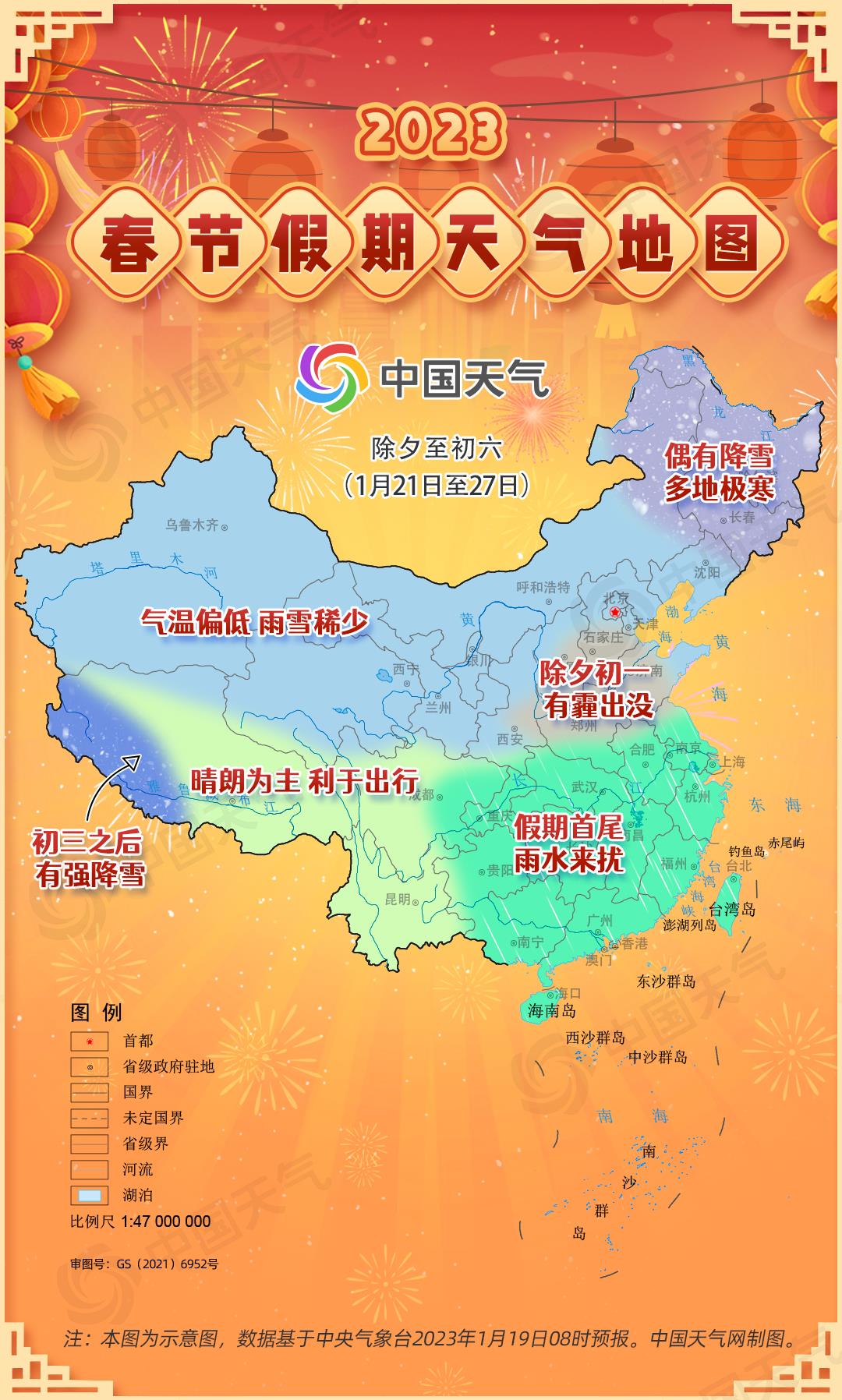
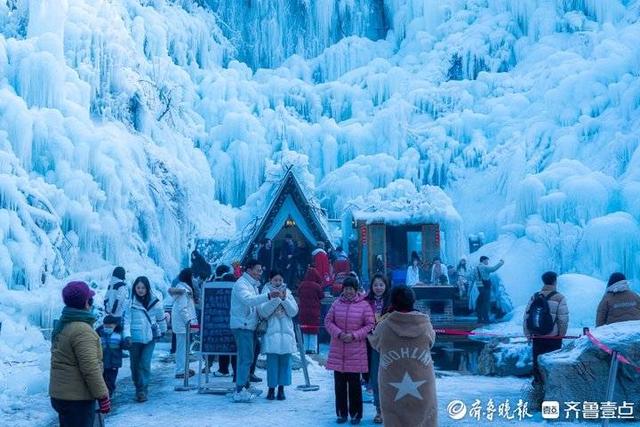
It will be extremely cold in parts of Inner Mongolia and Heilongjiang.Affected by the cold vortex, the temperature in eastern and northeastern Inner Mongolia is obviously low during the Spring Festival, and there will be a large number of areas with the lowest temperature this winter. Many places in central and northern Heilongjiang and eastern Inner Mongolia may also break the historical record of low temperature since 1951.
Among them, Harbin, the capital of Heilongjiang Province, has the highest temperatures of only -23℃ and -24℃ in the first and second days, which will hit a new low this winter, and the lowest temperature will drop to -35℃, which shows the strength of the northern winter. The lowest temperature in the Tuli River in eastern Inner Mongolia is -49℃ for four consecutive days, which is extremely cold. Since 1951, the local minimum temperature has reached below -49℃ for only two days. The small partners in these areas must prepare the thickest equipment for the New Year and be fully armed to keep warm and cold.
The temperature in most parts of northwest China and northern North China is low, with little rain and snow.In addition to the Northeast, the temperature during the Spring Festival in most parts of the northwest and northern North China will be lower than normal, with the highest temperature hovering around the freezing point and the lowest temperature dropping to around -10℃. In addition, rain and snow are scarce in these areas, so it is necessary to replenish water and prevent dryness in time while keeping warm and cold during the Spring Festival.
There was haze in the south-central part of North China and the early days of Huanghuai holiday.The cold air on New Year’s Eve and the first day affects the intermission, and the atmosphere is quiet and stable. Haze weather may occur in central and southern North China, Huanghuai and other places. With the arrival of cold air on the second day, the air quality has improved.
Large-scale rainfall in the south is disturbing, and the southwest of South China is wary of heavy fog
Rain opens in most holidays in the south.Most areas in the south will encounter precipitation on New Year’s Eve and the first day, and the intensity is weak. Among them, there may be sleet or light snow in the higher altitude areas in western Hubei; From the second day to the fourth day, the weather turns fine, and only the eastern part of the southwest may have scattered weak precipitation, but due to the spread of cold air southward, there may be a temperature drop of 4 to 6 C; Before and after the fifth day, the rain in the south will increase again, and Spring Festival travel rush’s return trip may be affected.
There is fog in southwest and south China.From New Year’s Eve to the first day, there is heavy fog in the southern Sichuan Basin, Anhui, southern South China and coastal areas, Beibu Gulf and Taiwan Province Strait, and the local visibility is less than 200 meters; During the morning hours of the fifth and sixth day, there was heavy fog in southern Guizhou, Guangxi and western Guangdong.
Southwest Tibet is wary of heavy snowfall.There will be heavy snowfall in southwest Tibet after the third day, and some areas will be heavy with snowstorms, so we should be alert to the adverse effects of snowfall.
This year, with the adjustment of epidemic prevention and control policies, many people who work outside the home have chosen to return home for the New Year. At this time, epidemic prevention cannot be completely relaxed. On the way home, personal protection is still necessary, and wearing a mask is essential; At the beginning of returning home, we should strengthen self-health monitoring and try to avoid contact with the elderly with basic diseases at home; During the Spring Festival, don’t stay up late, avoid fatigue, don’t drink too much, and don’t overeat.